Understanding the Standard Dimensions of Bathroom Windows
Let’s Shed Some Light on Bathroom Windows!
When it comes to designing a bathroom, one of the most important elements to consider is the windows. Not only do they provide natural light and ventilation, but they also play a key role in the overall aesthetics of the space. Understanding the standard dimensions of bathroom windows is crucial in ensuring that you choose the right size and style for your needs.
Bathroom windows come in a variety of shapes and sizes, but there are some standard dimensions that are commonly used in most homes. The most common sizes for bathroom windows are 24 inches by 36 inches, 24 inches by 48 inches, and 24 inches by 60 inches. These sizes are ideal for most standard bathrooms and provide a good balance between natural light and privacy.
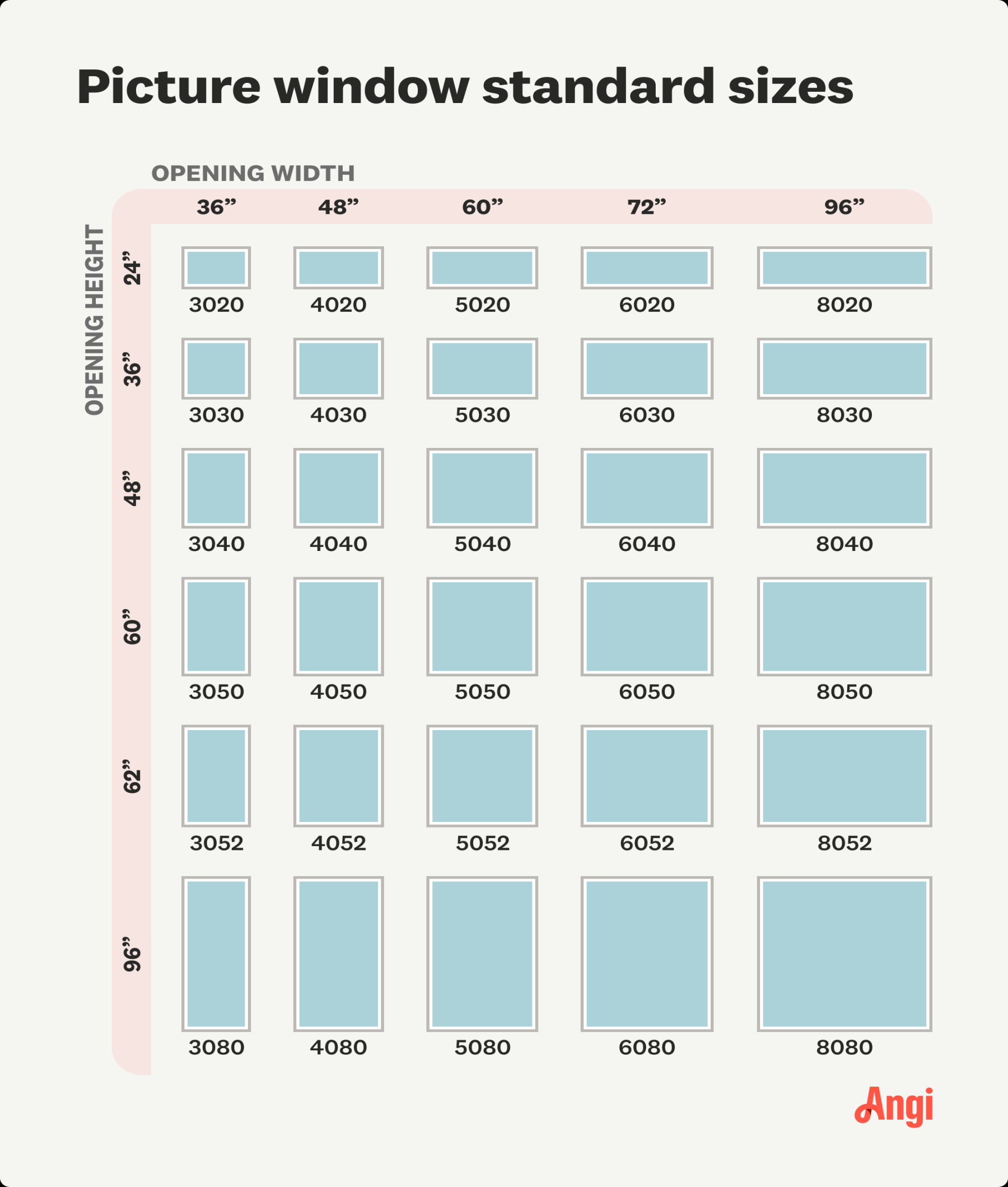
When choosing the size of your bathroom window, it’s important to consider the layout of your space and the placement of other fixtures such as the sink, toilet, and shower. You want to make sure that the window is positioned in a way that allows for maximum natural light without compromising privacy. Additionally, you should also take into account the height of the window sill and how it will affect the overall look of the room.
In addition to the standard sizes mentioned above, there are also some other options to consider when it comes to bathroom windows. For example, if you have a larger bathroom or want to make a statement with your windows, you may opt for a larger size such as 36 inches by 48 inches or 36 inches by 60 inches. These sizes can help create a more open and airy feel in the space, but may require custom sizing and installation.
Another factor to consider when choosing the dimensions of your bathroom window is the type of window style you prefer. There are several different styles to choose from, including casement, double-hung, sliding, and fixed windows. Each style has its own advantages and disadvantages, so it’s important to consider how each will work with your bathroom layout and design aesthetic.
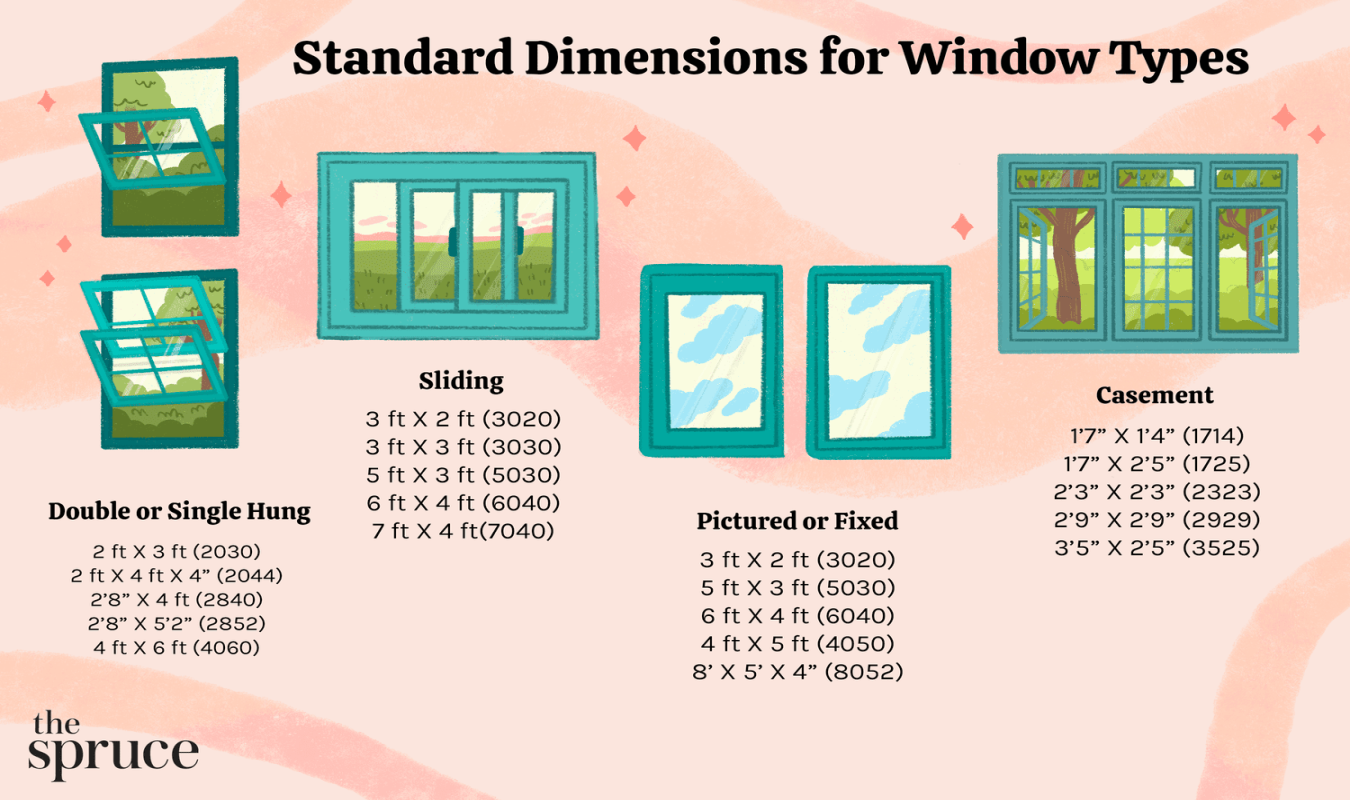
Casement windows, for example, are hinged on one side and open outward, allowing for maximum ventilation and natural light. Double-hung windows have two sashes that can be opened from the top or bottom, providing versatility in airflow. Sliding windows are another popular option for bathrooms, as they are easy to open and close and don’t take up much space. Fixed windows, on the other hand, do not open and are best suited for areas where ventilation is not a priority.
In addition to size and style, you should also consider the material of your bathroom window. Common materials used for bathroom windows include vinyl, wood, aluminum, and fiberglass. Each material has its own benefits and drawbacks, so it’s important to choose one that fits your needs and budget.
Vinyl windows are a popular choice for bathrooms because they are affordable, low-maintenance, and energy-efficient. Wood windows, on the other hand, offer a timeless look and can be painted or stained to match your decor. Aluminum windows are durable and weather-resistant, making them a good option for humid environments. Fiberglass windows are another durable option that can mimic the look of wood without the maintenance.
Overall, understanding the standard dimensions of bathroom windows is essential in creating a functional and aesthetically pleasing space. By considering factors such as size, style, and material, you can choose the perfect window for your needs and enjoy all the benefits that natural light and ventilation have to offer. So, let’s shed some light on your bathroom windows and transform your space into a bright and inviting oasis!
Understanding the Standard Dimensions of Bathroom Windows
When it comes to designing or renovating a bathroom, one of the key elements to consider is the windows. Not only do bathroom windows provide natural light and ventilation, but they also add style and character to the space. However, choosing the right size for your bathroom windows can be a daunting task. That’s where understanding the standard dimensions of bathroom windows comes in handy!
Dive into the World of Standard Window Sizes!
Standard window sizes for bathrooms vary depending on the type of window and the size of the space. Here are some common standard dimensions to consider:
1. Small Bathroom Windows: Small bathrooms typically have windows that are around 24 inches by 24 inches. These windows are perfect for adding natural light to a small space without overwhelming the room. They are often placed high on the wall to maintain privacy while still allowing light to filter in.
2. Medium Bathroom Windows: Medium-sized bathrooms usually have windows that range from 30 inches to 36 inches in width. These windows are larger than small bathroom windows but still provide ample natural light and ventilation. They can be placed at eye level or higher, depending on the layout of the space.
3. Large Bathroom Windows: Large bathrooms can accommodate windows that are 42 inches or wider. These windows make a bold statement in the space and allow for maximum natural light and airflow. Large bathroom windows are often placed lower on the wall to create a focal point and enhance the overall design of the room.
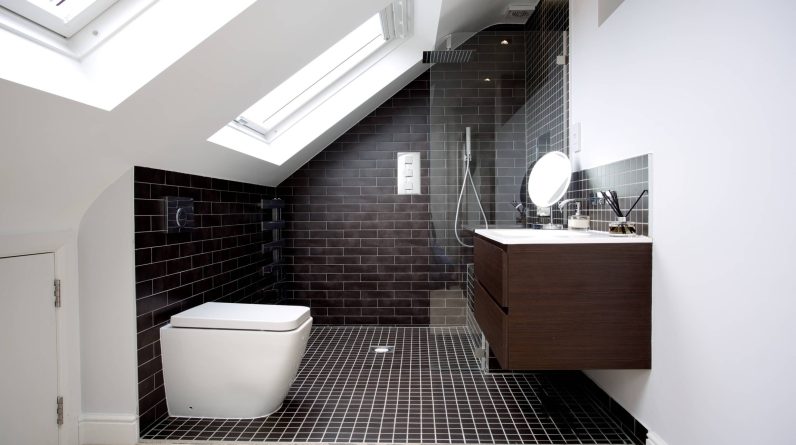
4. Skylight Windows: Skylight windows are a popular choice for bathrooms with limited wall space. They are typically installed on the ceiling to allow natural light to flow in from above. Skylight windows come in various sizes, from small circular windows to large rectangular windows, depending on the size and layout of the bathroom.
5. Frosted Windows: Frosted windows are a great option for bathrooms where privacy is a concern. These windows are usually smaller in size, around 24 inches by 18 inches, and are often placed high on the wall or above the bathtub/shower area. Frosted windows allow natural light to enter the space while still maintaining privacy.
In addition to standard window sizes, it’s important to consider the type of window material and style that best suits your bathroom. Common materials for bathroom windows include vinyl, wood, aluminum, and fiberglass, each with its own benefits and drawbacks. As for window styles, popular options for bathrooms include casement windows, awning windows, sliding windows, and picture windows, each offering a unique look and functionality.
Ultimately, the key to choosing the right standard dimensions for your bathroom windows is to consider the size of the space, the amount of natural light desired, and the overall design aesthetic of the room. By understanding the standard dimensions of bathroom windows and exploring the various options available, you can select the perfect windows to enhance your bathroom and create a bright, airy, and stylish space.